| |
Destinations
|
|
|
Athens
Where the gods enter the story
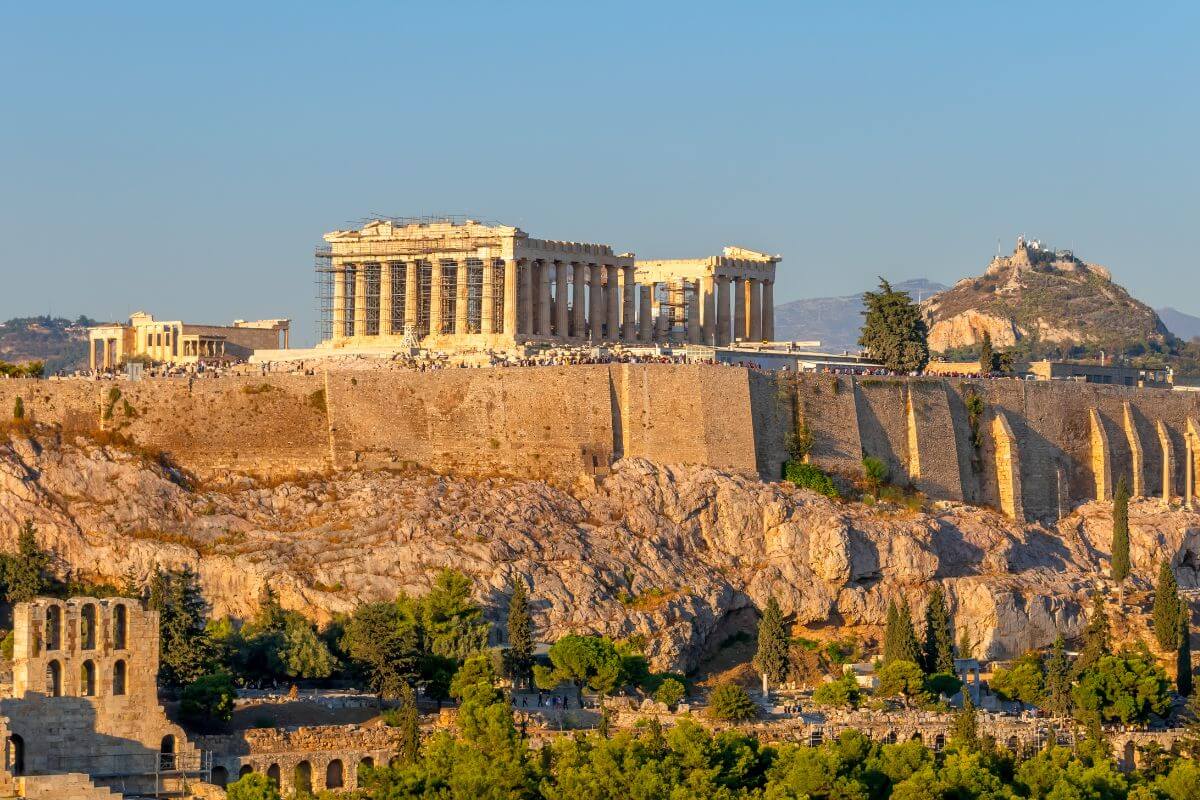
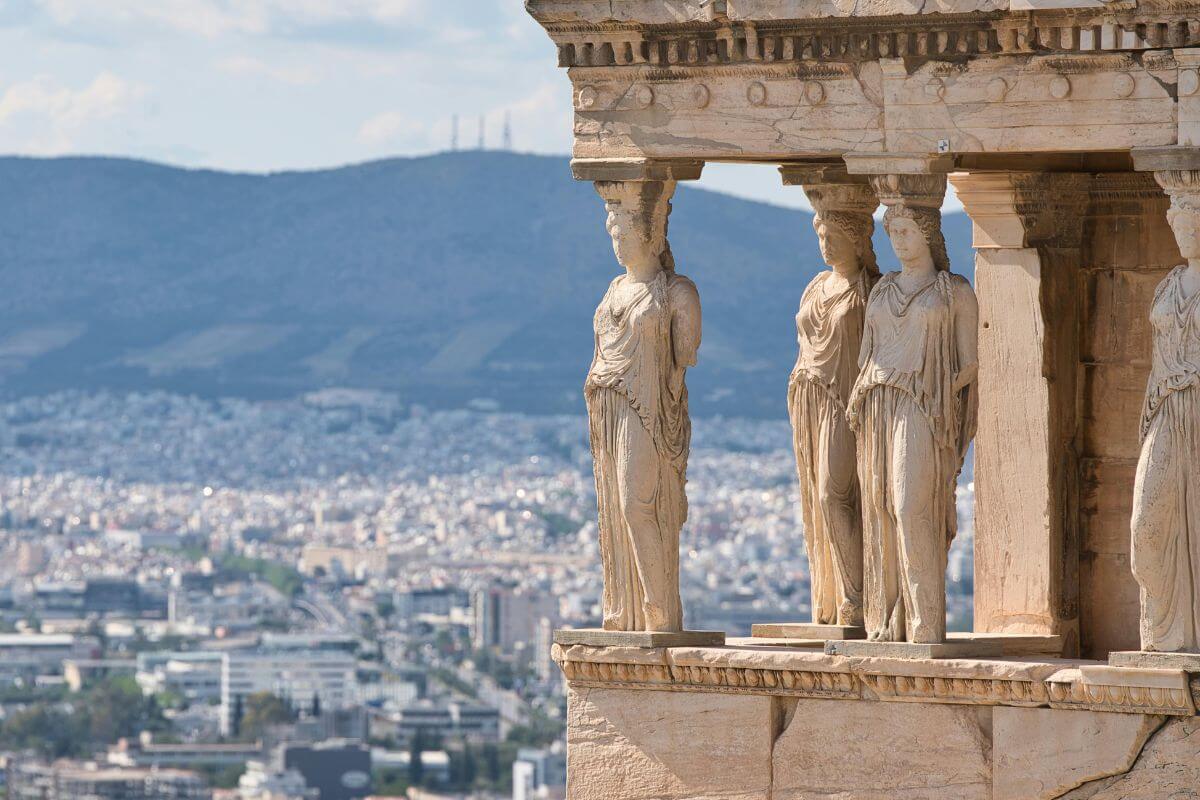
Begin in Athens, where temples, sculptures and ancient stories reveal the divine world surrounding Homer’s heroes. On the Acropolis and inside the Acropolis Museum, meet Athena, Odysseus’ tireless protector and the goddess whose wisdom guides him through the most dangerous moments of his journey. Discover Zeus, Poseidon, Hermes and the other divine forces that shape mortal destinies throughout the Iliad and the Odyssey.
Together with your expert storyteller, explore the ideas at the heart of Homer’s world: xenia, the sacred obligation of hospitality; kleos, the glory a hero leaves behind; nostos, the longing for homecoming; and the delicate balance between human choice and divine will.
Depending on your interests, the Athens chapter can focus on the Acropolis and Acropolis Museum or unfold through a broader mythology trail across the ancient city. It creates the foundation for everything that follows, giving you the keys to interpret the gods, heroes and values encountered throughout the journey.
|
Acrocorinth & Mycenae
From Nolan’s Mycenae to the kingdom of Agamemnon
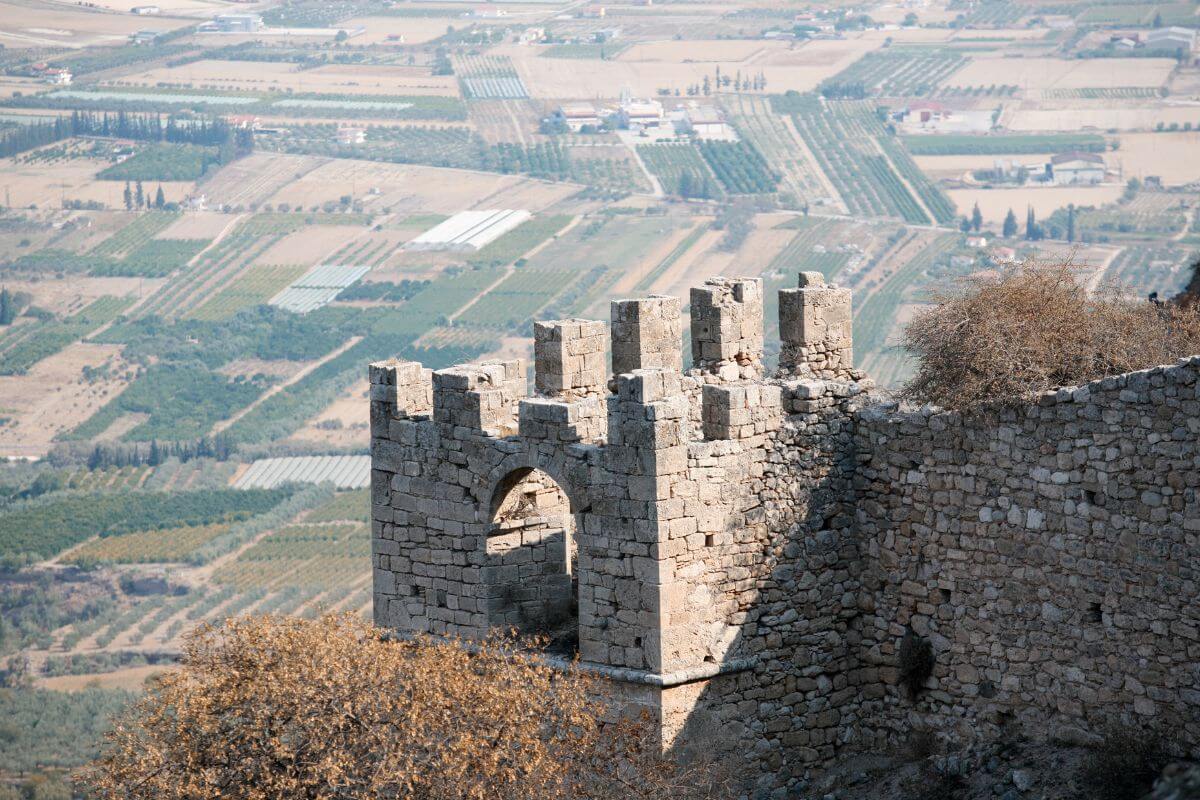
Cross the Isthmus of Corinth and enter the Peloponnese, the land of legendary kings and some of the most powerful stories in Greek mythology. Rising dramatically above the Corinthian landscape, Acrocorinth became a cinematic Mycenae for Christopher Nolan’s The Odyssey. Here, the film portrays the fateful return of Agamemnon after the Trojan War, a homecoming very different from the one awaiting Odysseus.
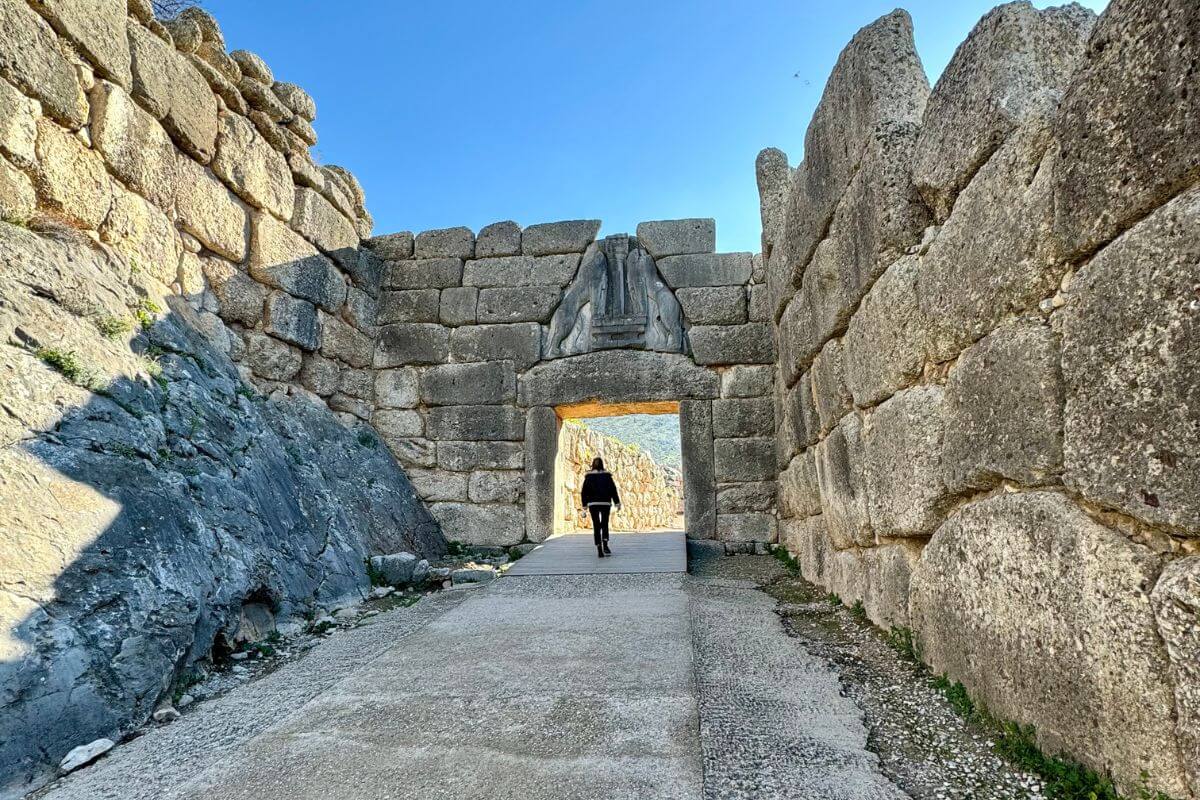
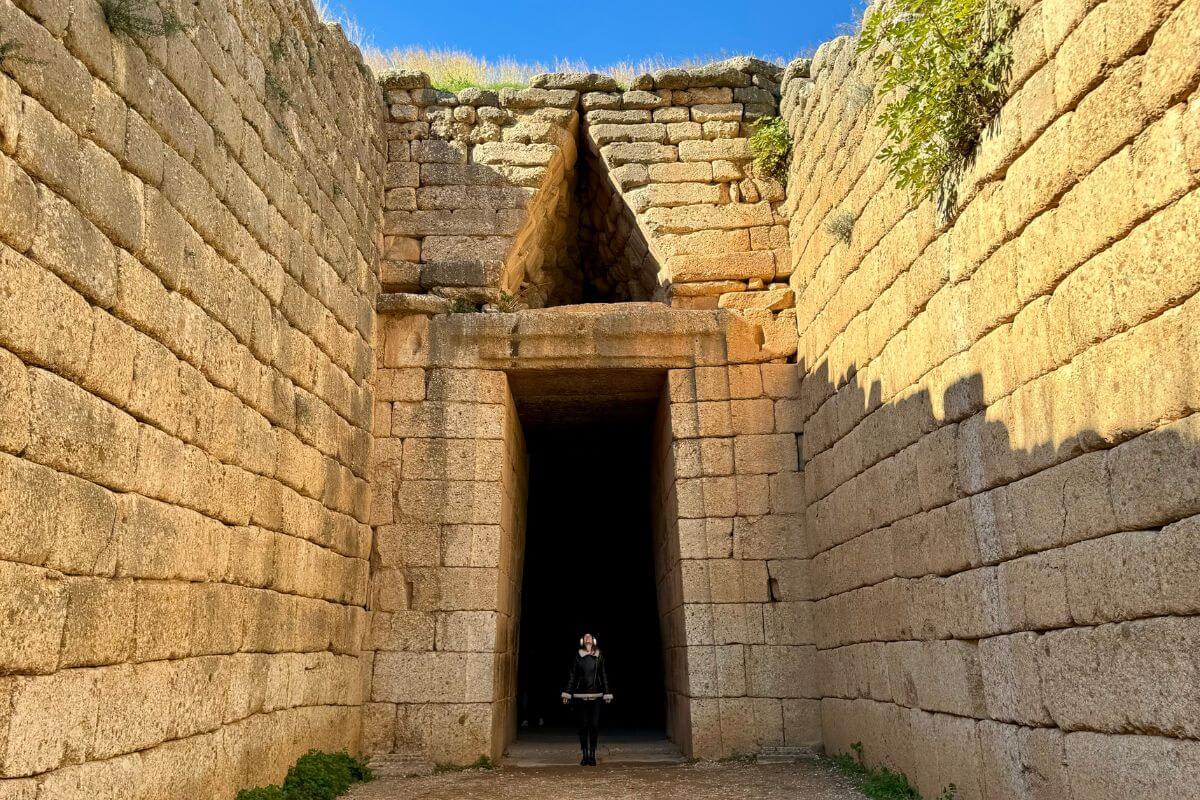
From the location chosen for the screen, continue to Mycenae itself. Pass beneath the monumental Lion Gate, walk beside its Cyclopean walls and enter the legendary kingdom of Agamemnon, commander of the Greek forces at Troy. Through archaeology and storytelling, explore the world behind the Iliad: the Mycenaean palaces, the warrior elite, the expedition to Troy and the House of Atreus. Discover how Bronze Age history, oral tradition and later Greek imagination came together in Homer’s epics. Here, the heroic age moves from poetry into stone.
|
|
|
|
Sparta
Telemachus in search of his father
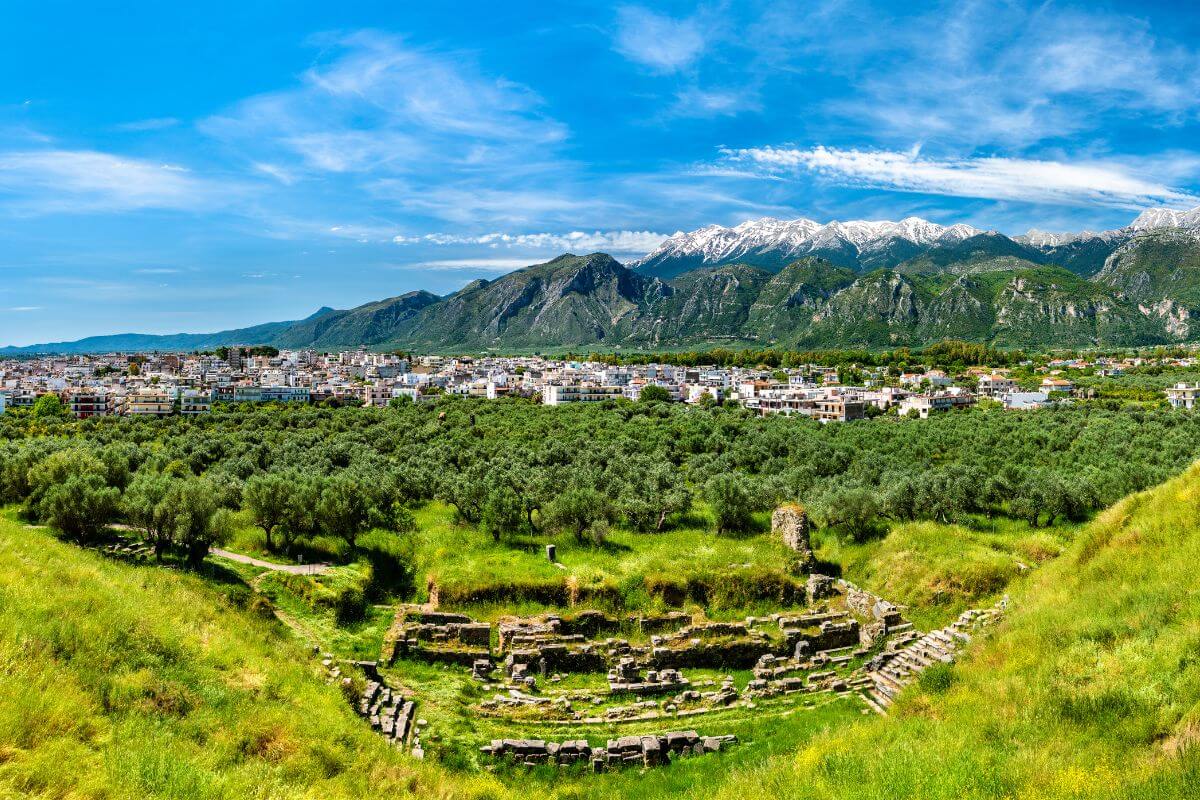
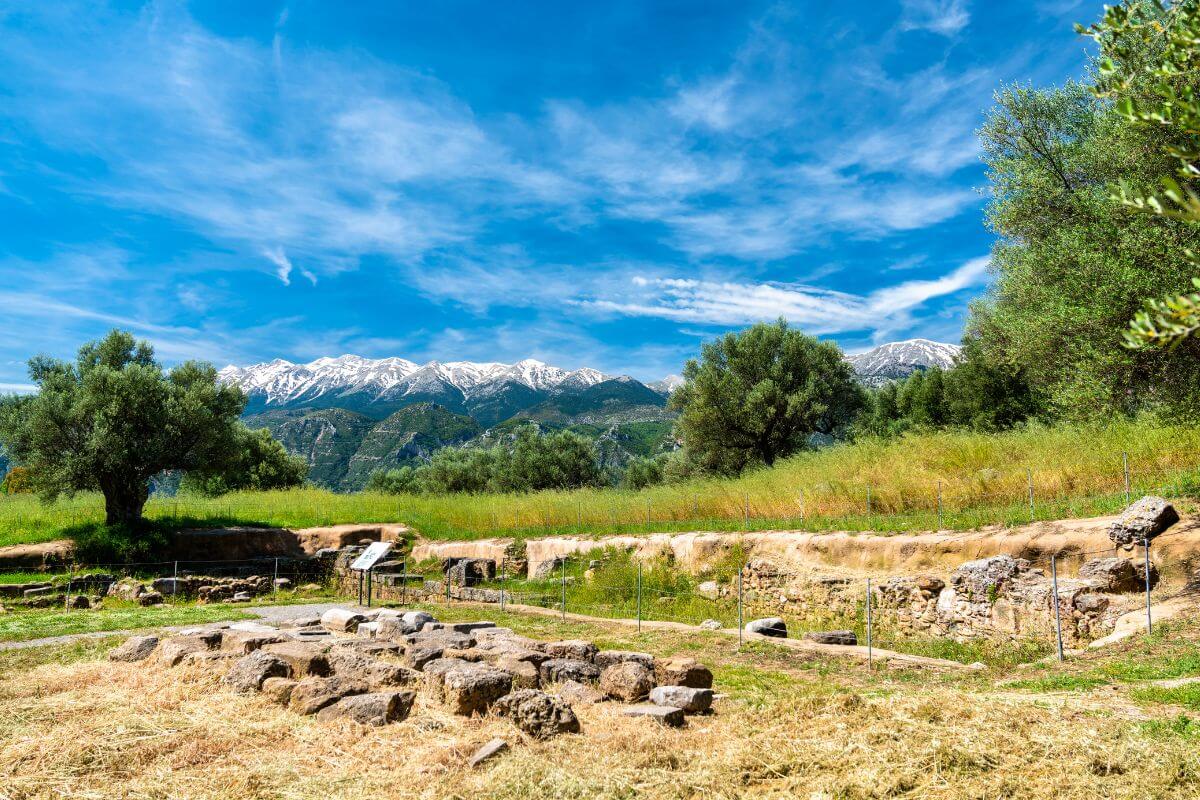
In The Odyssey, the young Telemachus leaves Ithaca in search of news about the father he barely remembers. His journey eventually brings him to Sparta and the court of Menelaus and Helen. As you explore ancient Sparta and the surrounding Laconian landscape, retrace this quieter but deeply human chapter of the epic. Menelaus has returned from Troy, but victory has not left him untouched. Helen remembers the war from another perspective, while Telemachus listens for any clue that Odysseus may still be alive.
Through their stories, discover how Homer speaks not only about adventure and heroism, but also about memory, loss, family and the difficult return to life after war. Sparta also brings the Iliad and the Odyssey together. It was Helen’s departure that set the Trojan War in motion, and it is here, years later, that her story becomes part of Telemachus’ search for the truth.
|
Pylos & The Palace of Nestor
Wisdom, hospitality and the memory of Troy
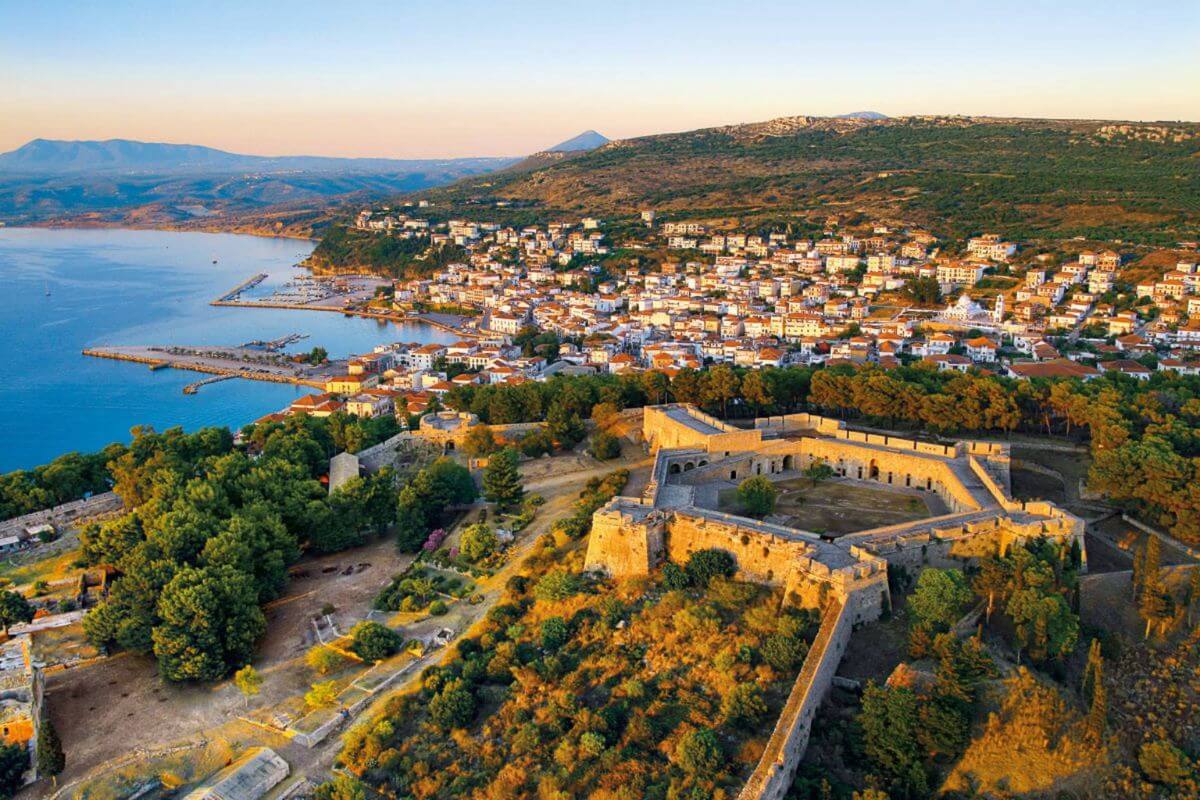
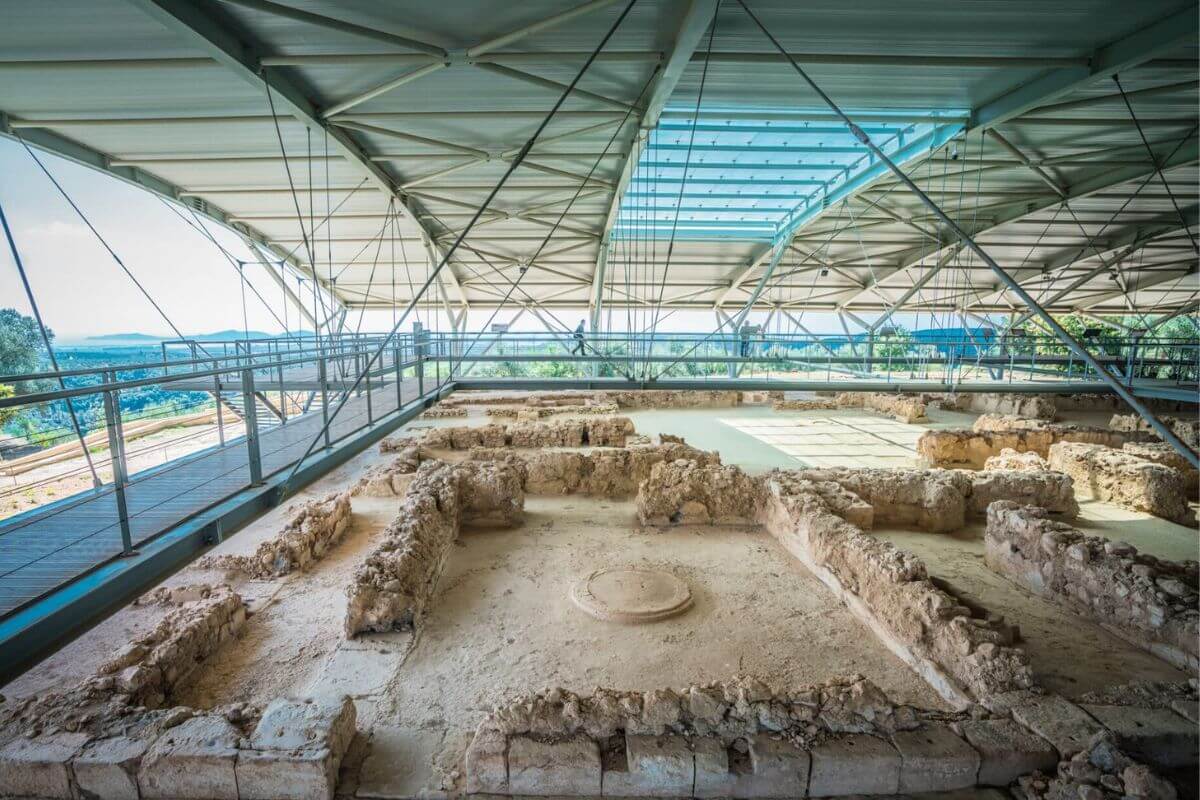
Continue to sandy Pylos, the kingdom of wise King Nestor and one of the most meaningful stops in Telemachus’ journey. At the remarkably preserved Palace of Nestor, step into the world of a Mycenaean ruler. Explore the palace complex, its ceremonial spaces and archaeological discoveries while learning how power, administration, religion and everyday life functioned during the Late Bronze Age.
In Homer’s story, Nestor welcomes Telemachus according to the sacred rules of hospitality before even asking his identity. Only then does he share his memories of Troy and the heroes who attempted to return home. This is an opportunity to understand xenia not simply as an ancient custom, but as one of the moral foundations of the Odyssey. It is also where Telemachus begins to emerge from his father’s shadow and undertake a heroic journey of his own.
|
|
|
|
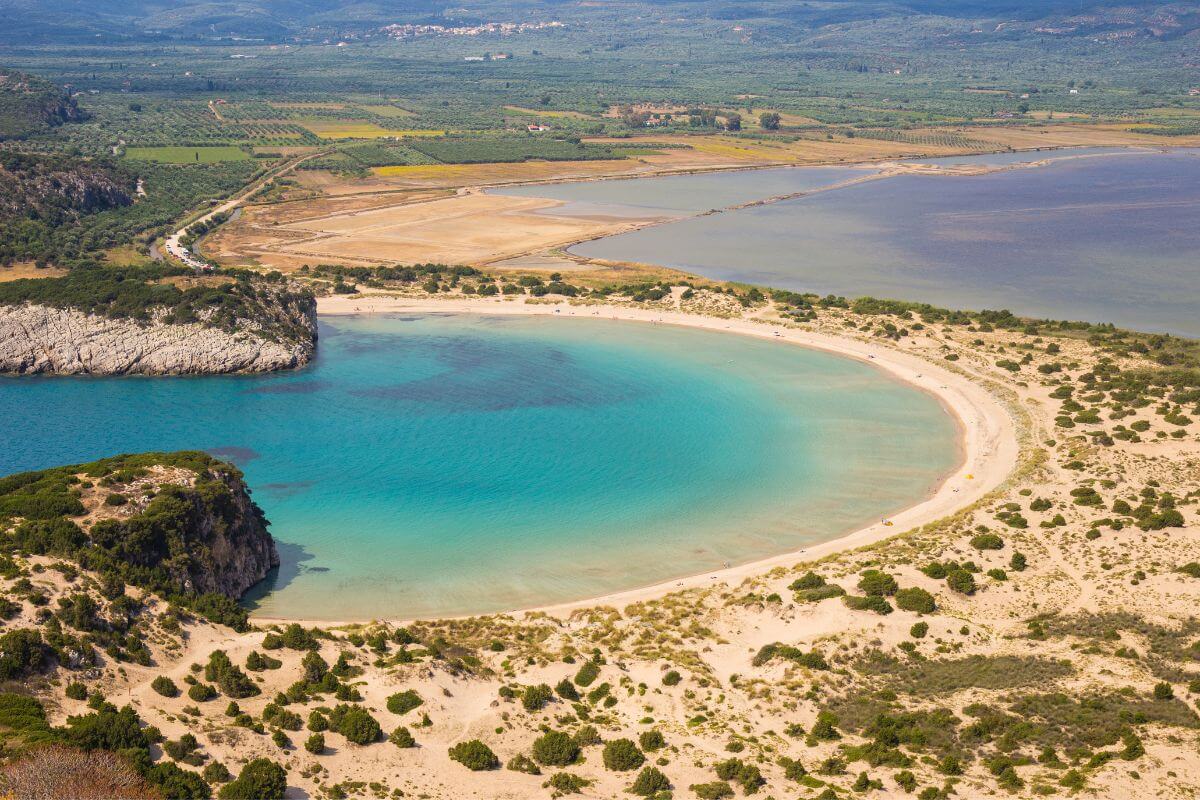
Voidokilia & Nestor's Cave
Enter the landscape of the Cyclops
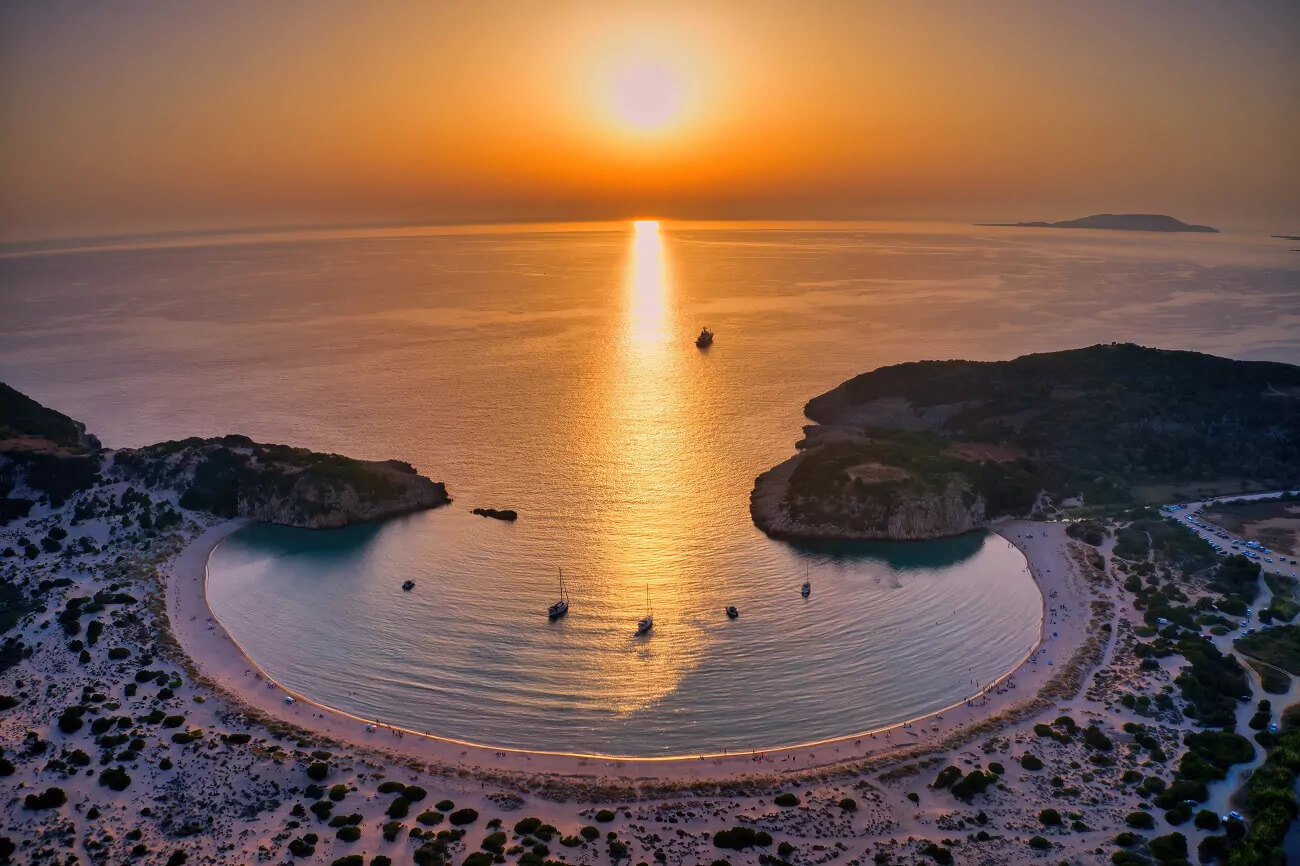
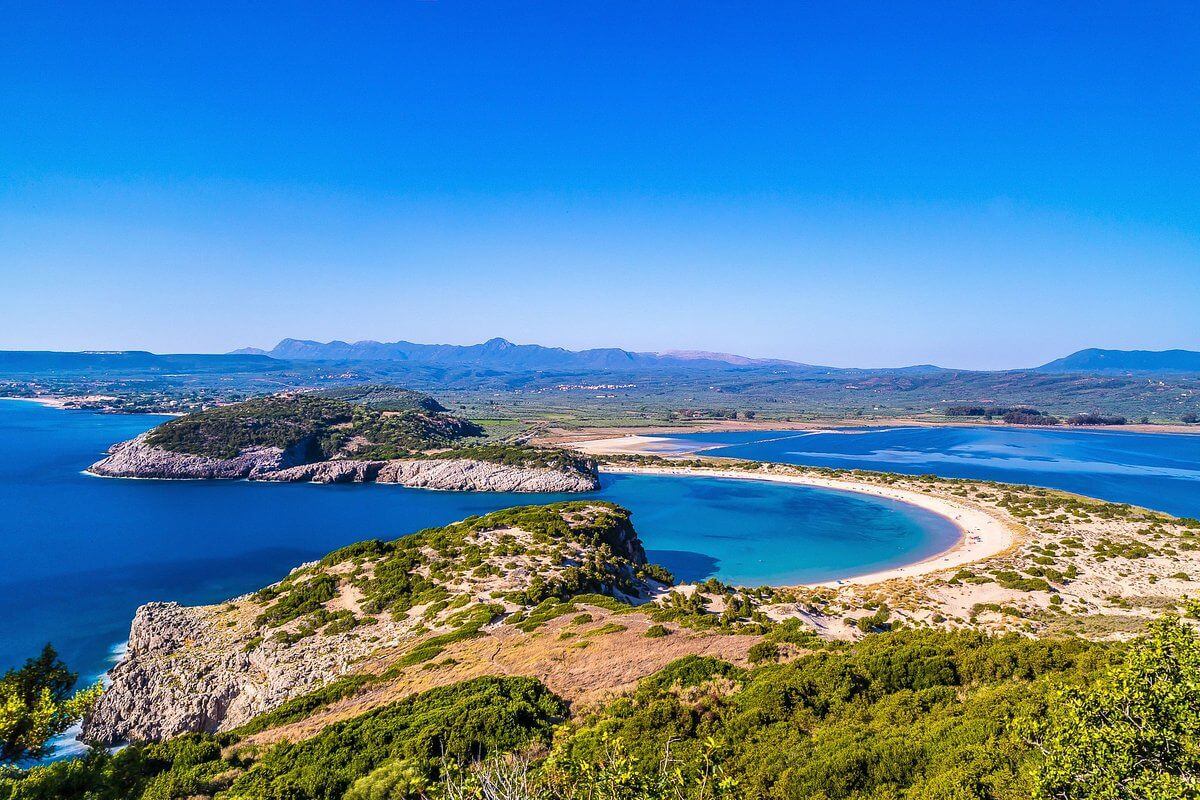
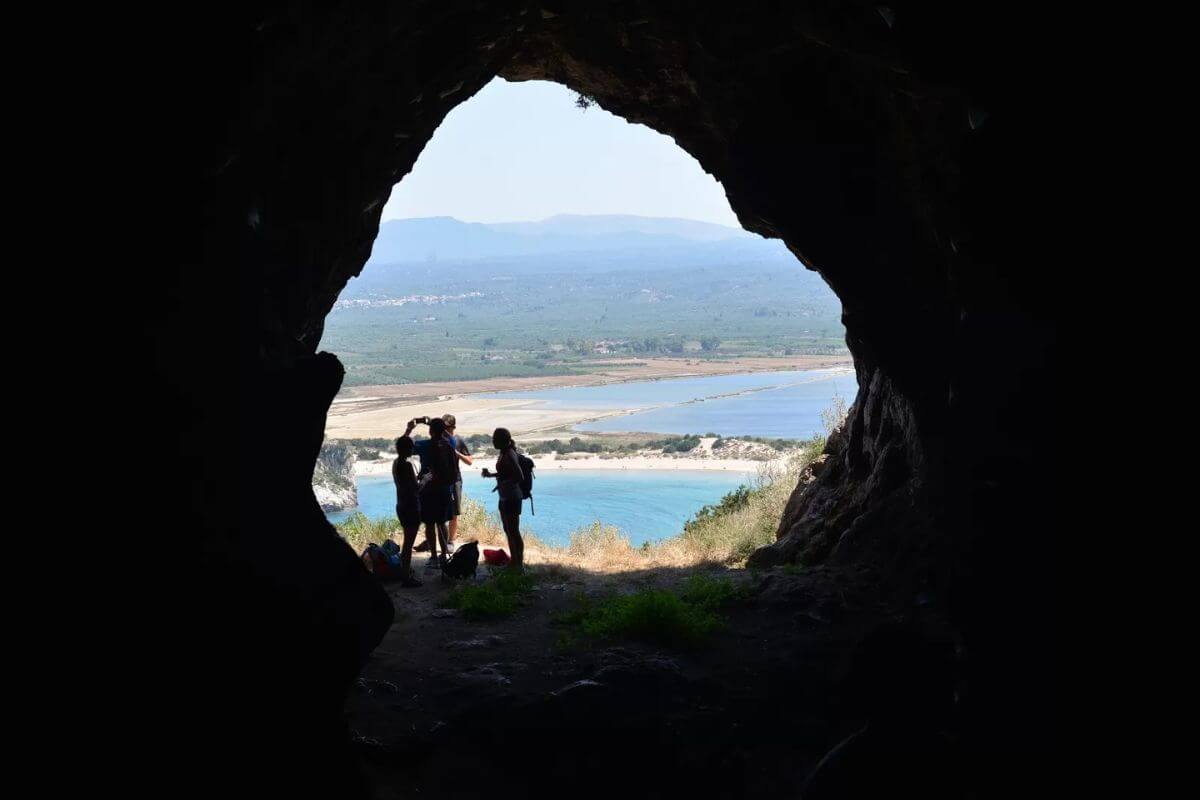
Above the perfect curve of Voidokilia Bay lies Nestor’s Cave, a place shaped by local legend long before it became part of Nolan’s cinematic world. For The Odyssey, Voidokilia and the surrounding landscape were transformed into the Island of the Cyclopes. Inside Nestor’s Cave, Odysseus and his companions encounter Polyphemus, one of the poem’s most terrifying and unforgettable figures.
Take in the landscape from permitted viewpoints and discover how a real Messenian cave became the setting for a mythical place that Homer never located on any reliable map. Nearby Almyrolakka Beach, another Greek filming location, reveals how the natural coast of Messinia helped create the film’s raw Mediterranean atmosphere. Together, we distinguish between Homer’s poem, the local traditions surrounding these places and their cinematic transformation. The result is a richer understanding of how landscapes acquire new meanings whenever an ancient story is retold.
|
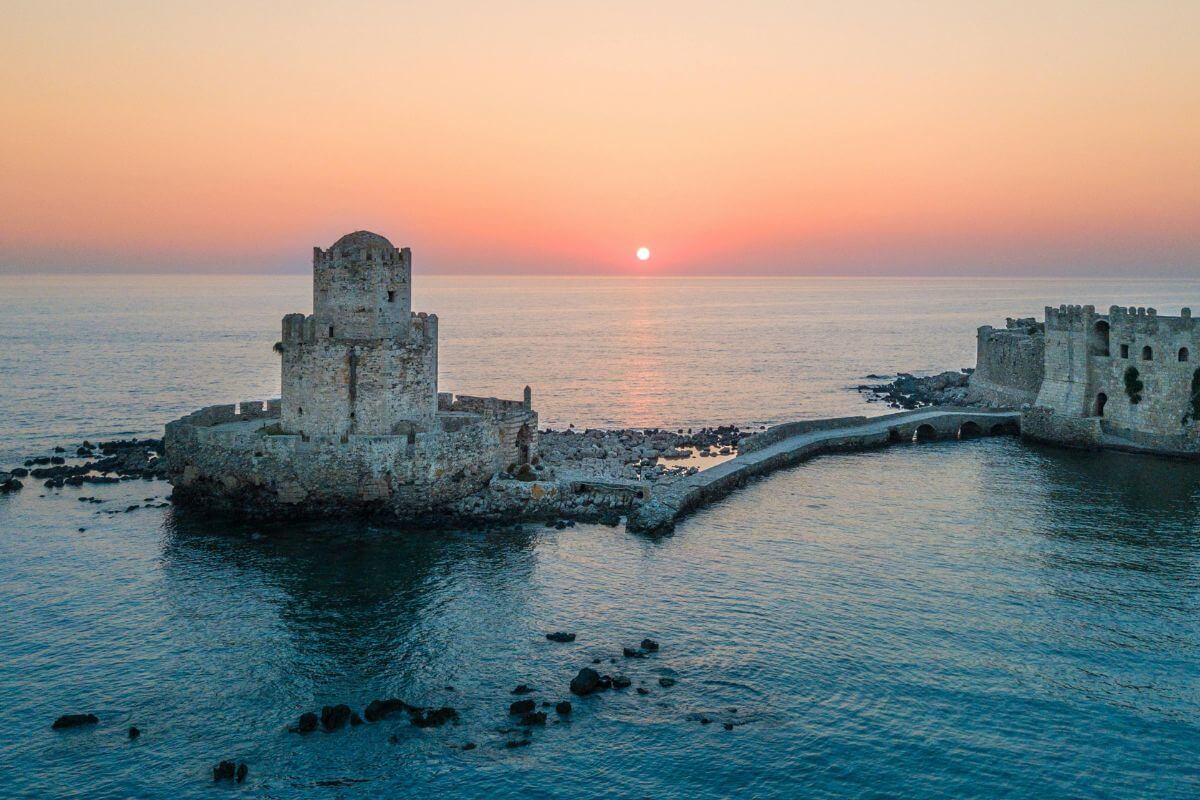
Methoni
The palace of Menelaus on screen
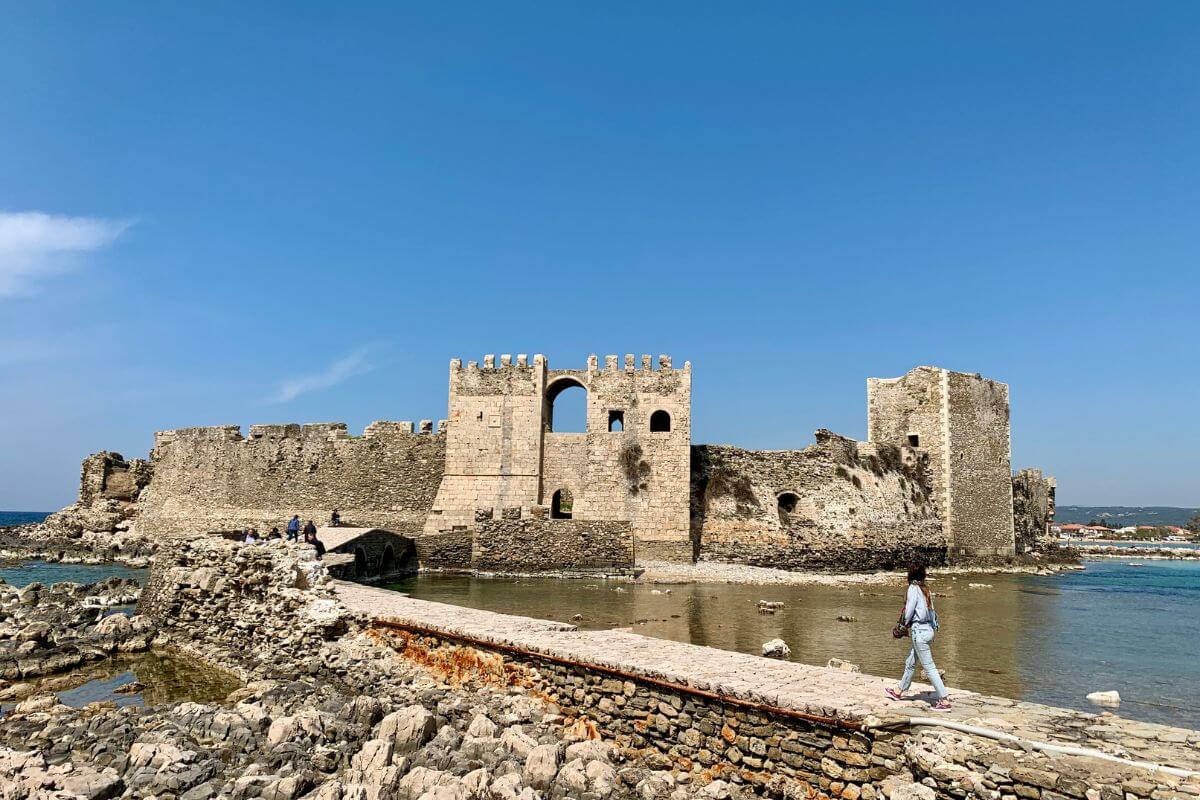
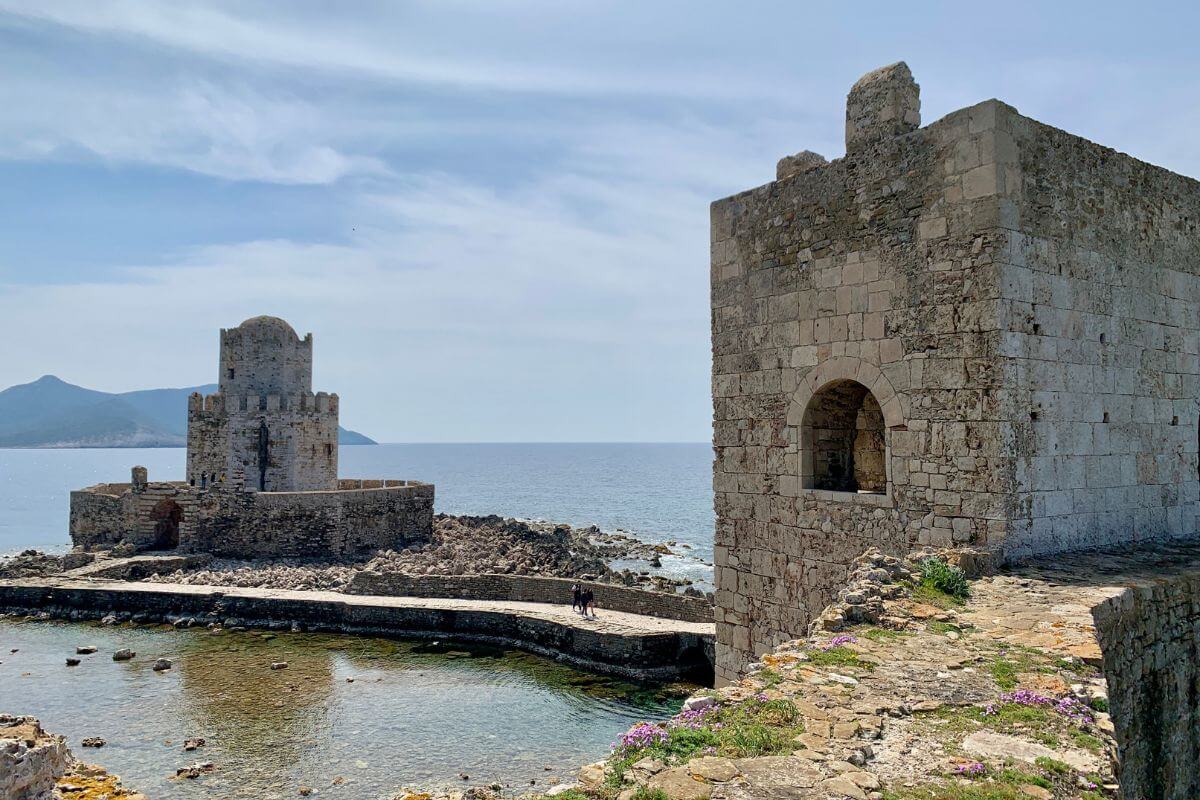
At the southwestern edge of the Peloponnese, the stone causeway of Methoni Castle stretches dramatically into the sea, ending at the octagonal tower of Bourtzi.
In Christopher Nolan’s film, this medieval fortress is transformed into the palace of Menelaus and Helen, where Telemachus seeks news of his father. In reality, Methoni belongs to a much later chapter of Greek and Mediterranean history, shaped by Venetians, Ottomans, sailors, merchants and centuries of movement between East and West.
Walk through its imposing gates and along its sea-bound walls as your storyteller separates the real history of the monument from the Homeric setting created for the screen. Few places capture the spirit of this journey so vividly: an authentic Greek landscape, a monument carrying its own layered past, and an ancient story reimagined through cinema.
|
|
|
|
Ithaca
At last, home
Every road in the Odyssey leads toward Ithaca. More than the kingdom of Odysseus and Penelope, Ithaca has become a universal symbol of homecoming, perseverance and the destination that gives meaning to the journey.
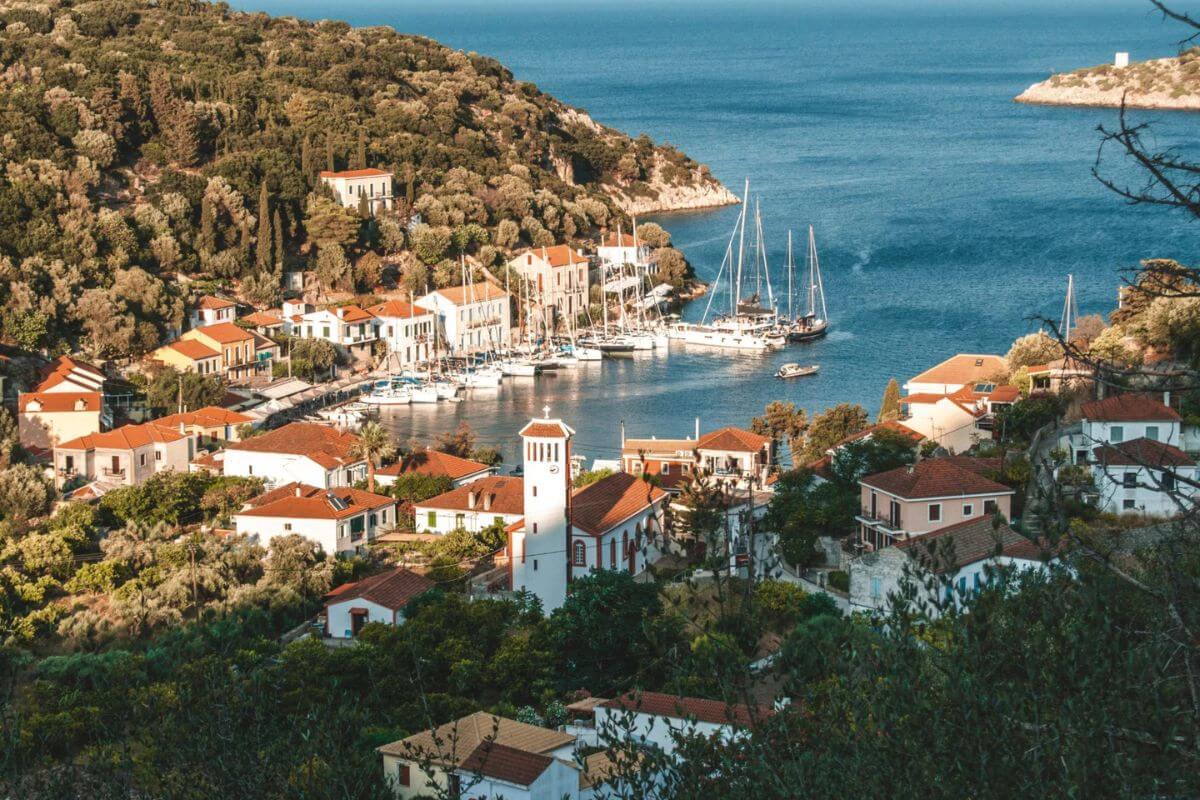
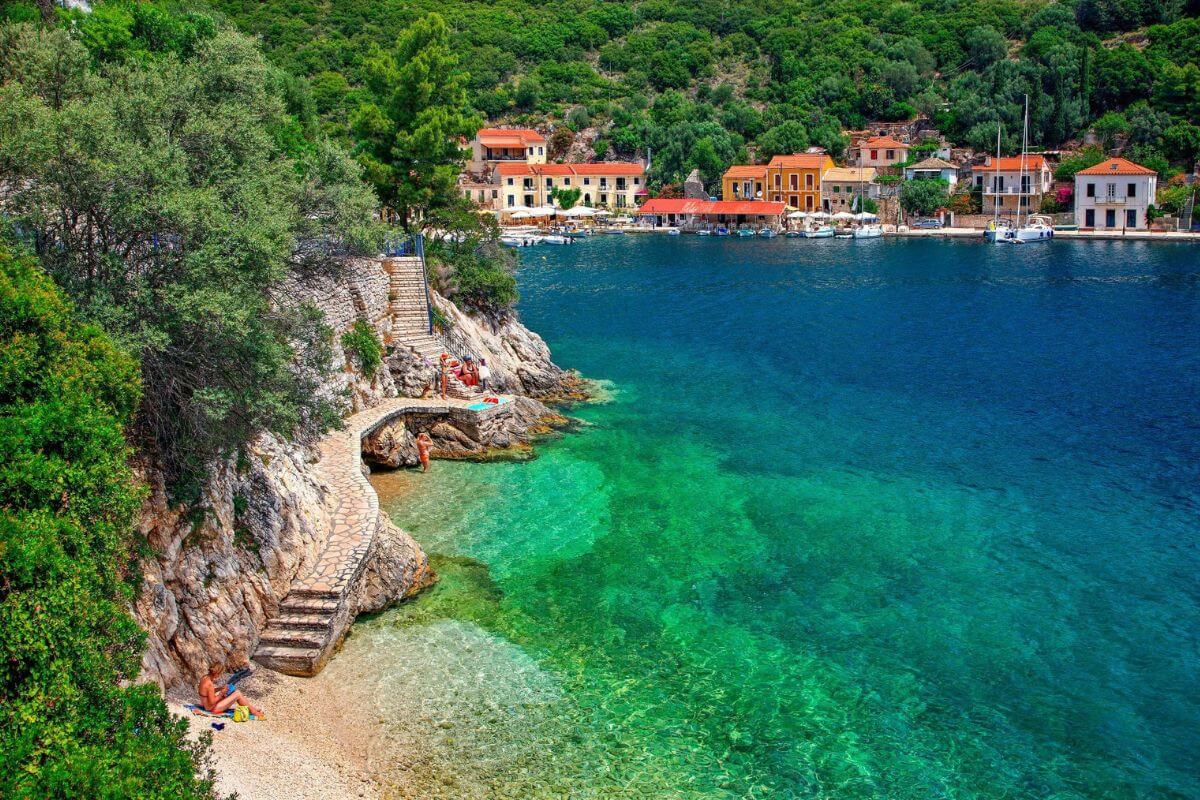
Explore Vathy and the island’s peaceful villages, follow scenic trails through its rugged green landscape and discover archaeological places connected by tradition with Odysseus and his world. If weather permits, sail along hidden coves and quiet shores, experiencing the island from the sea, just as every arrival and departure once began.
Here, Homer’s story feels different. The monsters and distant lands fall away, leaving the intimate human themes at the heart of the poem: identity, loyalty, recognition, belonging and the longing to be remembered by those we love. The journey ends not on a film set, but on the island literary tradition has made the eternal symbol of home.
|
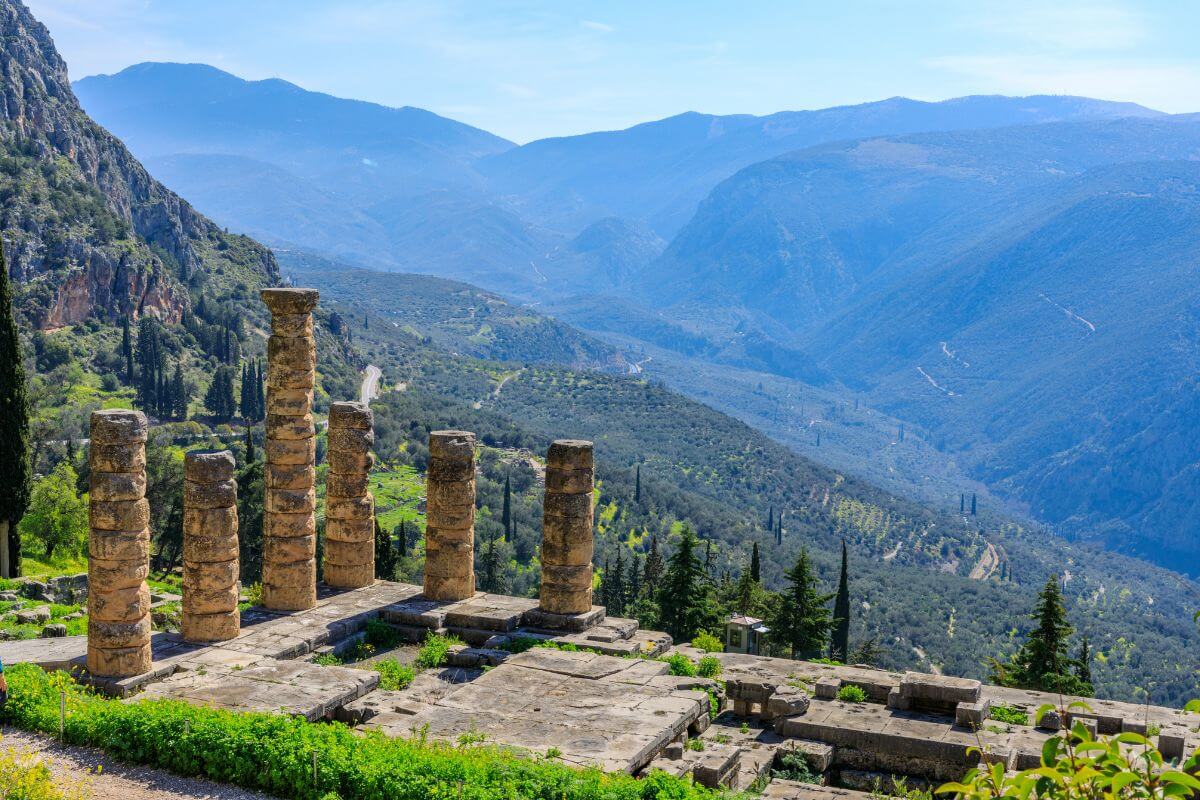
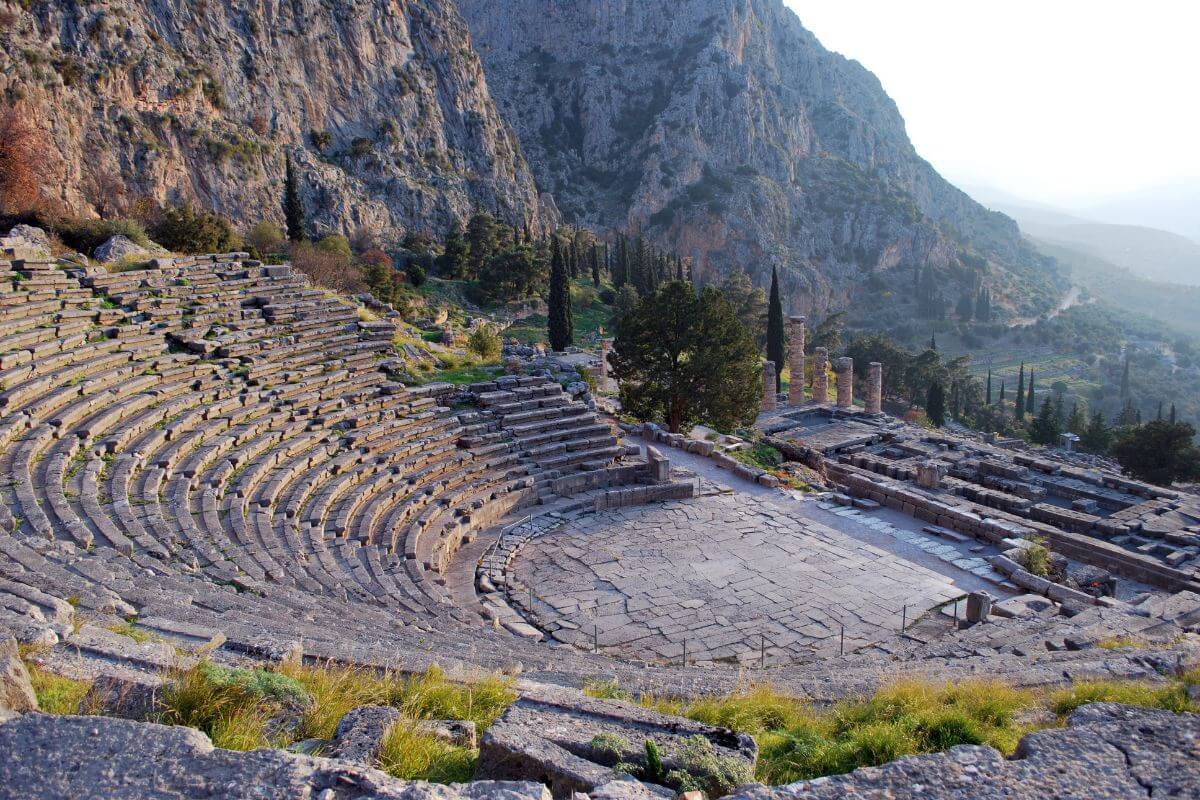
Optional Extension: Delphi
Seers, prophecy and the will of the gods
For travelers who wish to explore the spiritual universe surrounding Homer’s heroes more deeply, the journey can be extended to Delphi.
Prophecy is woven throughout both the Iliad and the Odyssey. The seer Calchas interprets the will of Apollo during the Trojan War, while Odysseus descends into the Underworld to seek guidance from the prophet Tiresias, who warns him of the dangers that still lie between him and Ithaca.
Although Delphi is not one of Odysseus’ destinations, Homer himself refers to Pytho, the ancient name for Delphi, as a place where Apollo’s will could be sought. At the god’s great sanctuary, discover how individuals and entire cities consulted the oracle, how prophecies shaped momentous decisions, and why divine knowledge rarely offered simple answers.
This chapter expands the journey beyond the route of the Odyssey, bringing travelers closer to the tension between prophecy, fate and human choice that lies at the heart of Homer’s world.
|
|
|
|
Design Your Private Odyssey Trip in Greece
One Epic, Many Possible Journeys
Like the Odyssey itself, this journey does not need to follow a single fixed route.
A shorter version can focus on Athens, Delphi and Mycenae. A more complete journey can include Sparta and Messinia, while travelers with additional time may add Ithaca, slower days by the sea, a private sailing experience or further exploration of the Peloponnese.
Every itinerary is shaped around your available days, travel rhythm and particular interests. Each destination reveals a different chapter of Homer’s world, allowing the experiences to complement one another without repeating the same stories.
Contact us and let the Greek TravelTellers curate your own journey from Homer’s verses to the landscapes of Greece.
Explore the confirmed filming locations and the real Homeric destinations in our guide to The Odyssey filming locations in Greece.
|